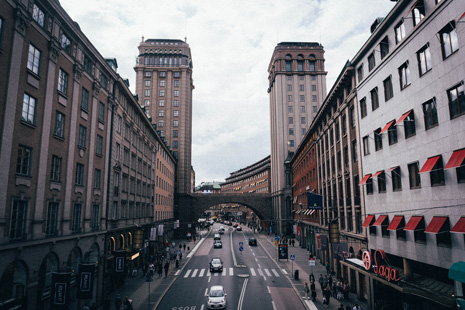


12th Century
Foundation of Hermannstadt
Saxon settlers establish the fortified town of Hermannstadt, laying the foundations of modern Sibiu.
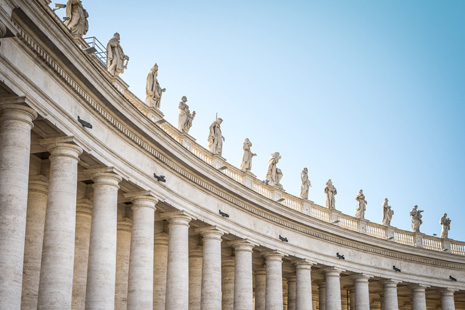
14th–16th Century
Rise as a Trading Hub
Sibiu develops into a major trading hub and one of the most important cities in Transylvania.

1692
Capital of Transylvania
Sibiu becomes the capital of the Principality of Transylvania under Habsburg rule.
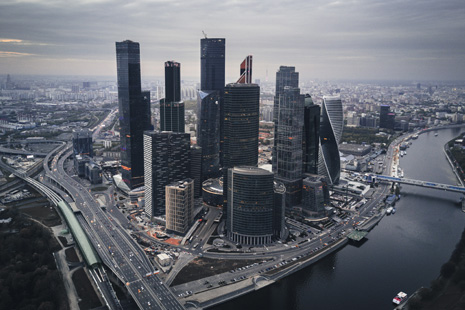
2007
European Capital of Culture
Sibiu is named European Capital of Culture, gaining international recognition.
Present Day
A Modern Cultural City
A vibrant cultural and economic centre known for tourism, festivals and quality of life.